
What Is VR Lottery? Exploring a New Technology-Based Lottery Format
In the context of rapidly advancing technology, traditional forms of entertainment are constantly being “upgraded” to align with modern trends. Lottery games are no exception, with the emergence of VR lottery, a model that combines lottery activities with modern virtual reality technology. Instead of merely viewing results through plain number boards, VR lottery offers a more immersive and visually engaging approach.
If you are curious about what VR lottery is, how it works, and how it differs from traditional lottery formats, let’s explore the details with ko66 in the article below.
What Is VR Lottery?
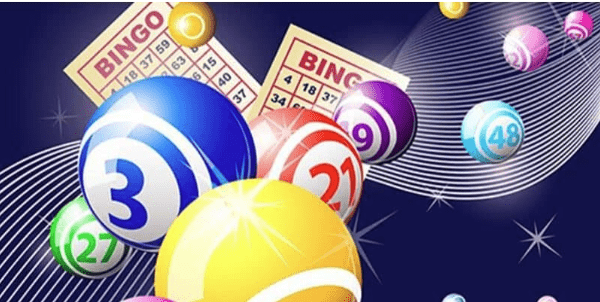
VR lottery is a form of lottery that applies Virtual Reality (VR) technology to simulate the drawing process, result announcements, and participation environment in a vivid and realistic manner. Rather than simply looking at numbers displayed on a flat screen, players can observe a 3D lottery draw machine, the movement of numbered balls, and the entire drawing process as if it were happening right before their eyes.
VR lottery was developed to enhance transparency and provide a more intuitive experience for participants. In the digital age, players increasingly demand higher levels of interaction. VR lottery meets this demand by transforming result viewing into a lively and immersive experience. This format is typically deployed on online platforms and can be accessed via computers, smartphones, or VR-supported devices.
Although it still follows the principle of random number drawing, the presentation of VR lottery is completely different. This unique approach is what attracts growing interest in this model.
How VR Lottery Works
To fully understand VR lottery, players need to grasp how the system operates from start to finish. Fundamentally, VR lottery still adheres to the same random number drawing mechanism as traditional lotteries. However, the entire process is simulated using 3D and virtual reality technology.
The Drawing Process in VR Lottery
In VR lottery, the drawing machine is designed as a three-dimensional virtual space. The numbered balls are clearly displayed with realistic movements. When it is time for the draw, the system automatically initiates the drawing process. Players can observe each step, including the spinning, mixing, and falling of the balls.
Every movement is smoothly simulated, enhancing the sense of credibility. The final result is announced directly within the VR environment. This presentation makes it easier for viewers to follow the process and reduces skepticism. This is one of the reasons VR lottery is highly rated for its visual transparency.
How Players Track Results
Players can follow VR lottery draws live or replay previous drawing sessions. The system typically stores videos or simulations of each draw, making it easy for participants to review results when needed. Tracking results is not limited by time or location. As long as there is an internet connection, players can observe the entire drawing process.
This experience is significantly different from simply checking static number results as in traditional lottery formats.
Differences Between VR Lottery and Traditional Lottery
The biggest difference between VR lottery and traditional lottery lies in the user experience. With traditional lottery, players mainly focus on the final result. In contrast, VR lottery emphasizes the entire drawing process. Visuals, sounds, and movements are all vividly recreated.
VR lottery creates the feeling of directly witnessing a live draw event. Additionally, VR lottery is usually integrated into online platforms, making it more accessible. There is no need to wait for television broadcasts—players can watch anytime. Transparency is also enhanced by simulating the entire process, which is a key factor in attracting younger users.
Popular Types of VR Lottery Today
VR lottery does not exist in just one form; it is implemented through various variations, each offering a unique experience.
Traditional Draw Simulation VR Lottery
This is the most common type of VR lottery currently available. The system simulates the familiar lottery draw machine in a 3D environment. Players can clearly observe each ball and the numbers printed on them. The drawing space is designed to resemble a real studio, making it easy for players familiar with traditional lottery formats to adapt.
Interactive VR Lottery
In this format, players can lightly interact with the VR environment, such as rotating the viewing angle or zooming into the drawing area. Although players cannot influence the results, the interaction makes the experience more engaging. Players feel as though they are “inside” the draw event. This is a trend that many platforms are currently experimenting with and developing.
Notes When Exploring and Participating in VR Lottery
When approaching VR lottery, players should understand that it is still based on randomness. It should not be mistaken for games where results can be manipulated. It is important to thoroughly research the platform offering VR lottery services to ensure transparency.
Players should not be drawn solely by attractive visuals while ignoring other critical factors. Time management is also essential to avoid overindulgence. VR lottery should be viewed as a form of entertainment combined with technology. Approaching it with a mindset of exploration and experience will help players maintain a balanced and accurate perspective.
Conclusion
VR lottery represents a new step forward in applying technology to the lottery industry, offering a more immersive and visually engaging experience. Although it remains based on random number drawing mechanisms, the use of virtual reality enhances transparency and appeal.
By understanding what VR lottery is and how it works, players can approach this format more appropriately. In the future, VR lottery is expected to continue evolving and improving, especially on platforms such as VR VR xổ số ko66.